

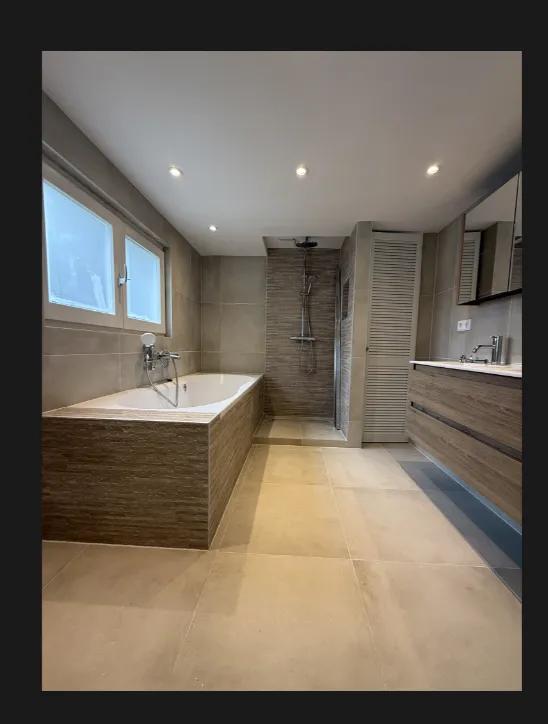
Renovating a bathroom is one of the most rewarding home improvement projects you can undertake. A well-designed bathroom not only enhances comfort and functionality but also increases property value and improves daily living. Whether you own a historic canal house, a modern apartment, or a family home in the Dutch capital, planning a successful bathroom renovation requires careful consideration of design, layout, materials, and budget.
In recent years, the demand for high-quality bathroom renovation amsterdam services has grown significantly as homeowners seek to modernize interiors, improve energy efficiency, and create luxurious spa-like spaces. Amsterdam’s unique architecture, compact living spaces, and older plumbing systems often make bathroom renovations more challenging than in other cities. However, with the right strategy and professional guidance, you can transform even the smallest bathroom into a stylish and practical retreat.
This comprehensive guide explores everything you need to know about bathroom renovation in Amsterdam, from planning and budgeting to choosing materials and avoiding common mistakes.
Why Bathroom Renovation Is Worth the Investment
A bathroom renovation offers multiple long-term benefits. Beyond improving aesthetics, it can solve structural issues, increase efficiency, and create a more enjoyable living environment.
Increased Property Value
Bathrooms and kitchens are among the most important rooms for property buyers. A modern and functional bathroom can significantly boost the resale value of your home. In Amsterdam’s competitive real estate market, updated bathrooms are especially attractive to buyers and renters alike.
Better Energy Efficiency
Older bathrooms often waste water and energy through outdated fixtures and inefficient heating systems. Renovating gives you the opportunity to install:
Water-saving toilets
Energy-efficient lighting
Modern ventilation systems
Underfloor heating
Eco-friendly faucets and showerheads
These upgrades reduce utility bills while making your home more sustainable.
Improved Comfort and Functionality
Many older Amsterdam properties have small, awkwardly designed bathrooms. Renovation allows homeowners to maximize available space, improve storage, and create a layout that better suits modern lifestyles.
Prevention of Future Damage
Old plumbing, damaged tiles, and poor waterproofing can lead to costly issues such as mold, leaks, and structural damage. Renovating proactively helps prevent expensive repairs later.
Understanding Bathroom Renovation Challenges in Amsterdam
Amsterdam’s architectural charm comes with unique renovation considerations. Understanding these challenges before starting your project can save time and money.
Limited Space
Many homes in Amsterdam, particularly canal houses and apartments, feature compact bathrooms. Creative design solutions are often necessary to optimize functionality without sacrificing style.
Space-saving features may include:
Wall-mounted toilets
Floating vanities
Walk-in showers
Sliding doors
Built-in shelving
Older Plumbing Systems
Historic buildings frequently contain outdated plumbing infrastructure that may need replacement during renovation. Pipes, drainage systems, and ventilation often require modernization to meet current standards.
Building Regulations
Depending on your property type, you may need permits or approval from homeowner associations before beginning renovations. Apartments in shared buildings sometimes have strict rules regarding plumbing changes and construction hours.
Moisture and Ventilation Issues
Amsterdam’s humid climate makes proper ventilation essential. Without adequate airflow, bathrooms can quickly develop mold and condensation problems.
Planning Your Bathroom Renovation
A successful renovation begins with careful planning. Rushing into demolition without a clear vision can lead to unnecessary expenses and delays.
Define Your Goals
Start by identifying what you want to achieve. Ask yourself:
Do you need more storage?
Is the layout inefficient?
Are fixtures outdated?
Do you want a luxury spa atmosphere?
Are you renovating for resale value?
Clear goals help guide every design and budgeting decision.
Set a Realistic Budget
Bathroom renovation costs vary depending on size, materials, and complexity. In Amsterdam, renovation prices are often higher due to labor costs and building logistics.
Your budget should include:
Demolition
Plumbing work
Electrical installation
Tiles and flooring
Fixtures and fittings
Labor costs
Unexpected expenses
It’s wise to reserve an additional 10–20% for unforeseen issues.
Choose a Design Style
Your bathroom design should complement the overall style of your home. Popular bathroom styles include:
Modern Minimalist
Clean lines, neutral colors, and sleek fixtures define modern minimalist bathrooms. This style works especially well in compact Amsterdam apartments.
Scandinavian
Scandinavian-inspired bathrooms emphasize simplicity, natural materials, and light tones to create a calm atmosphere.
Industrial
Industrial bathrooms feature exposed pipes, concrete textures, black fixtures, and urban-inspired finishes.
Luxury Spa
Spa-style bathrooms focus on relaxation through premium materials, ambient lighting, and elegant details.
Choosing the Right Layout
Bathroom layout is crucial for both functionality and comfort. Even small adjustments can dramatically improve usability.
Optimize Movement
Ensure there is enough room to move comfortably between fixtures. Avoid overcrowding the space with oversized furniture or unnecessary decorations.
Consider Storage Needs
Insufficient storage quickly leads to clutter. Built-in cabinets, recessed shelves, and vanity drawers help maintain a clean appearance.
Prioritize Lighting
Good lighting is essential for both functionality and ambiance. Combine:
Ceiling lighting
Mirror lighting
Accent lighting
Natural light whenever possible
Layered lighting creates a more inviting environment.
Selecting Materials for Your Bathroom
Bathroom materials must withstand moisture, humidity, and daily wear while maintaining visual appeal.
Tiles
Tiles remain one of the most popular bathroom materials due to durability and water resistance.
Popular options include:
Porcelain tiles
Ceramic tiles
Natural stone
Mosaic tiles
Large-format tiles
Large tiles can make small bathrooms appear more spacious by reducing grout lines.
Flooring
Bathroom flooring should be slip-resistant and easy to maintain. Common choices include:
Porcelain tiles
Vinyl flooring
Natural stone
Waterproof laminate
Underfloor heating is increasingly popular in Amsterdam homes because it adds comfort during colder months.
Countertops
Bathroom countertops should resist moisture and stains.
Popular materials include:
Quartz
Marble
Granite
Solid surface materials
Quartz is especially practical because it requires minimal maintenance.
Choosing Bathroom Fixtures
Fixtures greatly influence both style and functionality.
Showers vs. Bathtubs
In smaller Amsterdam homes, walk-in showers are often preferred because they maximize space and create a modern look.
However, bathtubs remain desirable for families and luxury bathrooms.
Toilets
Wall-mounted toilets are highly popular because they:
Save space
Simplify cleaning
Create a modern appearance
Vanities
Floating vanities visually enlarge the room and offer convenient storage underneath.
Faucets and Hardware
Matte black, brushed brass, and chrome finishes are among current design trends. Choose finishes that complement the overall style of the bathroom.
The Importance of Waterproofing
Proper waterproofing is one of the most critical aspects of bathroom renovation. Poor waterproofing can lead to:
Mold growth
Water damage
Structural deterioration
Expensive repairs
Professional waterproofing should include:
Waterproof membranes
Sealed joints
Proper drainage systems
Moisture-resistant materials
Never cut corners on waterproofing, even if it increases initial costs.
Ventilation and Air Quality
Bathrooms produce high levels of moisture, making ventilation essential.
Ventilation Solutions
Effective ventilation options include:
Exhaust fans
Window ventilation
Mechanical ventilation systems
Modern systems can operate quietly while efficiently removing humidity and odors.
Preventing Mold
To reduce mold risk:
Use mold-resistant paint
Ensure proper airflow
Keep surfaces dry
Repair leaks immediately
Smart Bathroom Technology
Technology is increasingly integrated into modern bathroom design.
Popular smart features include:
Heated mirrors
Motion-sensor lighting
Smart showers
Digital temperature controls
Bluetooth speakers
Touchless faucets
These upgrades improve convenience and enhance the luxury experience.
Final Thoughts
A bathroom renovation is a valuable investment that enhances comfort, aesthetics, and property value. While renovating in Amsterdam may involve unique challenges such as limited space and older infrastructure, careful planning and professional execution can deliver exceptional results.
From selecting the right layout and materials to ensuring proper waterproofing and ventilation, every detail contributes to the success of the project. Whether you prefer a sleek modern look, a cozy Scandinavian style, or a luxurious spa-inspired retreat, thoughtful design choices can completely transform your bathroom.
As demand for high-quality bathroom renovation amsterdam solutions continues to grow, homeowners are increasingly recognizing the importance of combining functionality, sustainability, and visual appeal. By approaching your renovation strategically and working with experienced professionals, you can create a bathroom that remains stylish, practical, and enjoyable for many years to come.