

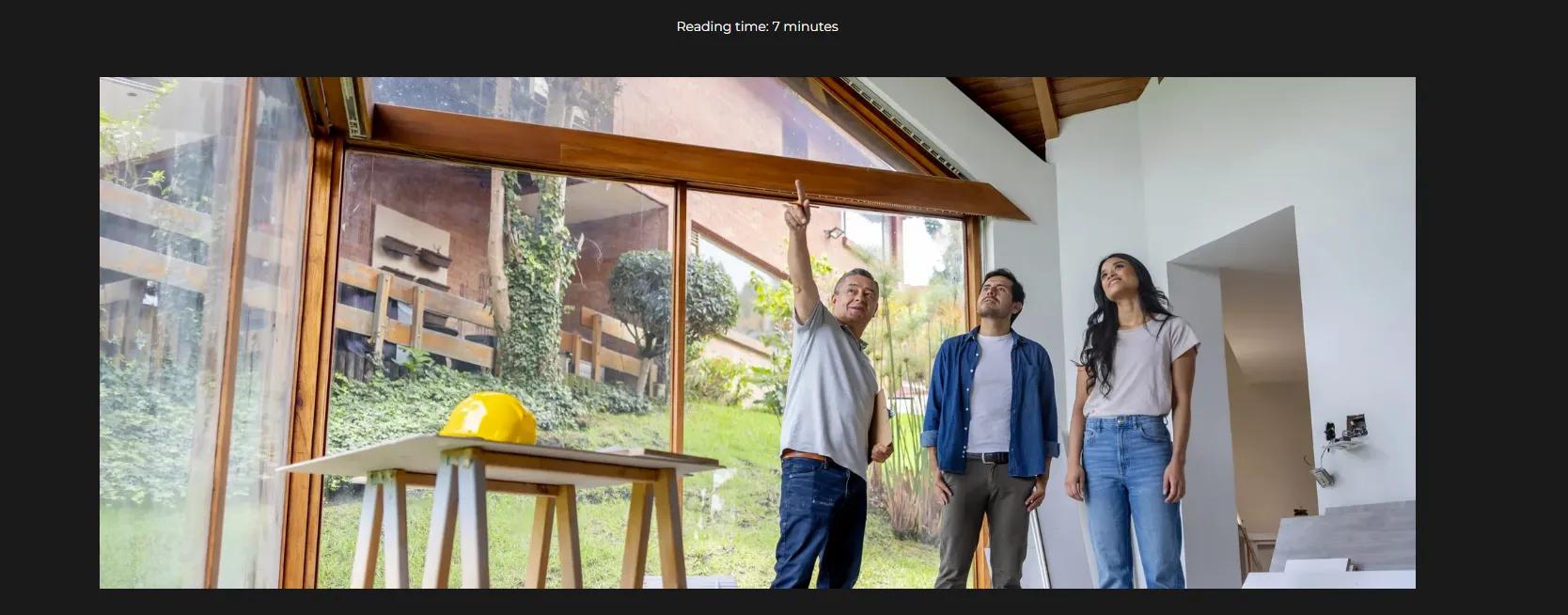
A basement is often one of the most overlooked areas in a home. For many homeowners, it serves as little more than a storage space filled with seasonal decorations, old furniture, or forgotten boxes. However, with the right renovation plan, a basement can become one of the most valuable and functional parts of your property. Whether you're dreaming of a family entertainment room, a home office, a guest suite, a fitness area, or even a rental apartment, finishing your basement can significantly increase both your living space and your home's appeal.
The question many homeowners ask is simple: Is finishing your basement really worth the investment? The answer depends on several factors, including renovation costs, your long-term plans, your local housing market, and the quality of the work performed.
In this guide, we'll explore basement renovation costs, the factors that influence pricing, the potential return on investment (ROI), and how working with experienced professionals like Grand Renovation can help ensure a successful project.
Understanding Basement Renovation Costs
Basement renovation costs vary considerably depending on the size of the space, its current condition, and the features you plan to include. On average, homeowners spend between $20,000 and $60,000 to finish a standard basement, while luxury renovations with custom features can exceed $100,000. Typical projects often range from $20 to $75 per square foot, with premium finishes costing even more.
Several factors contribute to the final price.
1. Basement Size
Naturally, larger basements require more materials and labor. A 500-square-foot basement will cost substantially less to renovate than a 1,500-square-foot space.
2. Existing Condition
An unfinished basement may require:
Framing
Insulation
Drywall installation
Electrical wiring
Plumbing
Flooring
Ceiling installation
HVAC modifications
If the basement already has some finished elements, renovation costs may be considerably lower.
3. Moisture and Waterproofing
Before any cosmetic improvements begin, moisture problems must be addressed. Waterproofing, sump pump installation, drainage improvements, or foundation repairs can add several thousand dollars to the project but are essential for protecting your investment. Moisture issues are among the most common problems homeowners encounter during basement renovations.
4. Plumbing and Bathrooms
Adding a bathroom is one of the biggest cost increases in a basement renovation. Plumbing rough-ins, drainage systems, fixtures, and waterproof finishes can significantly increase the budget.
5. Custom Features
Luxury additions such as:
Home theaters
Wet bars
Wine cellars
Smart home systems
Custom cabinetry
Built-in shelving
High-end flooring
will naturally raise overall renovation costs.
Typical Cost Breakdown
Although every project is unique, here's a general overview of where your budget may go:
Renovation Component | Typical Cost Range |
|---|---|
Framing & Drywall | $3,000–$10,000 |
Flooring | $2,000–$8,000 |
Electrical | $2,000–$8,000 |
Plumbing | $2,000–$15,000 |
Bathroom Addition | $8,000–$30,000 |
Painting | $1,000–$4,000 |
Lighting | $1,000–$5,000 |
Waterproofing | $5,000–$15,000 |
These estimates vary by region, material quality, and labor rates.
What Adds the Most Value?
Not every basement renovation provides the same return. The most valuable upgrades typically include:
Additional Bedroom
Adding a legal bedroom with an egress window can make your home much more attractive to buyers.
Full Bathroom
An additional bathroom greatly increases convenience and resale value.
Family Recreation Room
Open entertainment areas appeal to many families and offer flexible use.
Home Office
With remote work becoming increasingly common, dedicated office space has become a highly desirable feature.
Rental Suite
Where local regulations permit, converting a basement into a legal rental apartment can generate additional monthly income while increasing property value.
Is Finishing Your Basement Worth It Financially?
One of the biggest concerns homeowners have is return on investment.
Unlike some renovations that recover only a small portion of their costs, finished basements often provide a relatively strong ROI. Industry estimates suggest homeowners may recover approximately 65% to 75% of their investment through increased property value, depending on the local real estate market and the quality of the renovation.
However, the financial return is only part of the equation.
You also gain:
More usable living space
Greater comfort
Increased functionality
Better organization
Improved lifestyle
Potential rental income
For families planning to remain in their home for several years, these lifestyle benefits often outweigh purely financial considerations.
Comparing Basement Renovation with Home Additions
Many homeowners debate whether to finish a basement or build an addition.
Building an addition typically involves:
New foundations
Roofing
Exterior walls
Structural engineering
Landscaping
Larger permit costs
These projects often cost significantly more than finishing an existing basement.
Since the foundation and structural shell already exist, basement renovations usually offer one of the most cost-effective ways to add usable square footage.
Hidden Costs to Consider
Basement renovations occasionally uncover unexpected issues.
Common surprises include:
Mold
Hidden moisture may have caused mold growth behind walls or insulation.
Foundation Repairs
Cracks or shifting foundations may require structural repairs before finishing work begins.
Radon Mitigation
Depending on your location, testing and mitigation may be recommended.
Electrical Upgrades
Older homes often require upgraded electrical panels to support additional circuits.
HVAC Improvements
Proper heating, cooling, and ventilation are essential for creating a comfortable living environment.
Planning a contingency budget of around 10–20% can help manage these unexpected expenses.
Choosing the Right Flooring
Basement flooring differs from flooring on upper levels because moisture is always a consideration.
Popular options include:
Luxury Vinyl Plank (LVP)
Engineered Hardwood
Ceramic Tile
Vinyl Tile
Polished Concrete
Waterproof Laminate
Carpet remains popular in family rooms but should only be installed after moisture issues have been fully addressed.
Lighting Makes a Huge Difference
Basements naturally receive less sunlight than above-ground living spaces.
Well-designed lighting can completely transform the atmosphere.
Many homeowners choose:
Recessed LED lighting
Wall sconces
Accent lighting
Under-cabinet lighting
Smart lighting controls
Layering different lighting types helps create a bright, welcoming environment.
The Importance of Proper Insulation
Insulation affects:
Energy efficiency
Indoor comfort
Soundproofing
Moisture resistance
Modern rigid foam insulation and spray foam products often perform much better in basement environments than traditional fiberglass insulation.
Permits and Building Codes
Every municipality has different building requirements.
Common permit requirements include:
Electrical work
Plumbing
Structural modifications
Egress windows
HVAC changes
Fire safety compliance
Working with experienced contractors ensures that every aspect of the renovation complies with local building codes.
DIY vs Professional Renovation
Some homeowners consider finishing a basement themselves to reduce costs.
DIY can work well for:
Painting
Simple trim work
Basic flooring
Decorating
However, professional contractors should generally handle:
Electrical installations
Plumbing
Structural framing
Waterproofing
HVAC systems
Permit coordination
Mistakes in these areas can become far more expensive than hiring professionals from the beginning.
Planning Your Renovation Budget
A successful renovation starts with a realistic budget.
Consider the following categories:
Construction
Materials
Design
Furniture
Appliances
Permits
Unexpected repairs
Finishing touches
Many homeowners also compare projects using a comprehensive Home Renovation Cost analysis before deciding which improvements provide the greatest overall value. Looking at renovation expenses across the entire house can help prioritize projects and maximize your investment over time.
Working with Grand Renovation
Choosing the right contractor is one of the most important decisions you'll make during your basement renovation.
Grand Renovation specializes in transforming unfinished basements into comfortable, functional, and beautifully designed living spaces. Their experienced team manages every stage of the project, from planning and design to construction and finishing, while maintaining high standards of craftsmanship and attention to detail.
Professional project management offers several important advantages:
Accurate budgeting
Transparent communication
Building code compliance
Quality workmanship
Efficient scheduling
Reliable warranties
Rather than dealing with multiple subcontractors independently, homeowners benefit from a coordinated renovation process that minimizes delays and unexpected complications.
When Is Finishing Your Basement Not Worth It?
Although basement renovations are often excellent investments, there are situations where postponing the project makes sense.
For example:
Significant foundation problems
Chronic flooding
Severe mold issues
Plans to sell immediately without recovering renovation costs
Limited household budget
In these situations, addressing structural or moisture issues first is usually the smarter financial decision.
Final Thoughts
Finishing your basement is one of the most practical ways to increase your home's usable living space without expanding its footprint. While renovation costs can range from moderate to substantial depending on the scope of the project, a well-designed basement often delivers impressive long-term value through improved functionality, enhanced comfort, and stronger resale appeal.
Whether you're creating a family recreation room, a home office, an extra bedroom, or a rental suite, careful planning and quality workmanship are essential. Investing in proper waterproofing, insulation, lighting, and professional construction ensures your basement remains comfortable and durable for years to come.
Partnering with an experienced company like Grand Renovation helps homeowners navigate every stage of the renovation process with confidence, turning an underused basement into one of the most valuable areas of the home. When approached thoughtfully, finishing your basement is not simply another remodeling project—it is an investment in both your property's value and your family's quality of life.