

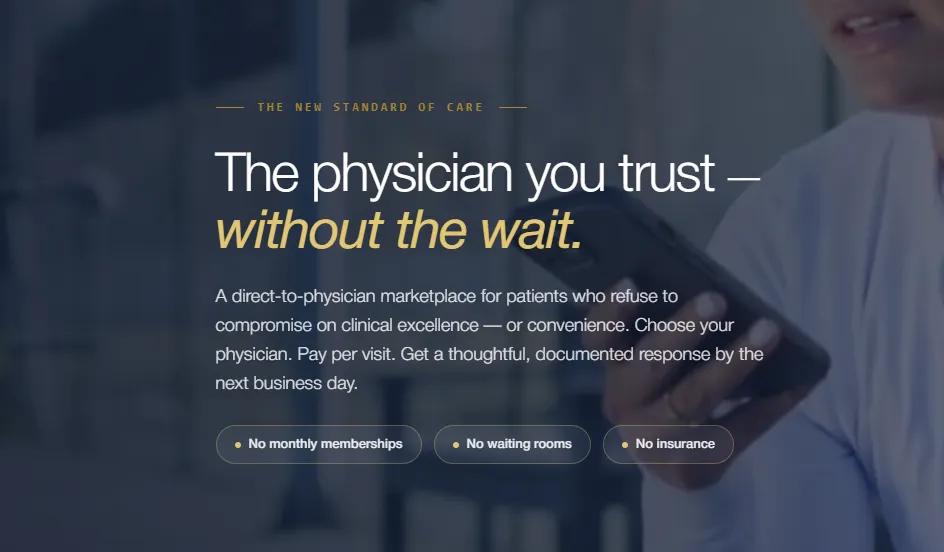
The healthcare industry has undergone a dramatic transformation in recent years, driven largely by rapid advancements in technology. Clinics of all sizes are increasingly adopting digital healthcare solutions to improve patient care, streamline operations, and enhance overall efficiency. From electronic health records (EHRs) to telemedicine platforms and AI-powered documentation tools, digital innovation is reshaping how clinics function in the modern healthcare ecosystem.
As patient expectations evolve and administrative burdens continue to grow, clinics must find smarter ways to deliver high-quality care while managing costs. This is where digital healthcare solutions come into play. These technologies help clinics optimize workflows, reduce errors, improve communication, and create better patient experiences.
Companies like trust my doc are contributing to this transformation by offering innovative documentation and workflow solutions designed specifically for healthcare providers. By integrating modern tools into daily operations, clinics can improve efficiency and focus more on what truly matters—patient care.
What Are Digital Healthcare Solutions?
Digital healthcare solutions refer to technology-driven systems and tools designed to improve healthcare delivery and management. These solutions cover a wide range of applications, including:
Electronic Health Records (EHR)
Telemedicine platforms
Patient portals
AI-powered medical documentation
Appointment scheduling software
Billing and payment automation
Remote patient monitoring
Data analytics and reporting tools
These technologies are intended to simplify complex processes, reduce manual tasks, and improve decision-making across healthcare organizations.
Why Clinics Need Digital Transformation
Clinics face multiple challenges in today’s healthcare environment. Common issues include:
Increasing administrative workload
Rising patient expectations
Staff burnout
Compliance requirements
Data management challenges
Operational inefficiencies
Traditional manual processes are often slow, prone to errors, and resource-intensive. Digital healthcare solutions help clinics overcome these challenges by automating routine tasks and improving access to information.
The result is a more agile, efficient, and patient-centered healthcare practice.
1. Improved Patient Experience
One of the most significant benefits of digital healthcare solutions is enhanced patient experience.
Modern patients expect convenience, speed, and accessibility. They want healthcare services that match the digital experiences they receive in banking, retail, and other industries.
Digital tools improve patient interactions by enabling:
Online appointment scheduling
Digital check-in
Faster communication
Secure access to medical records
Virtual consultations
Patients no longer need to spend excessive time waiting on phone calls or filling out paper forms. Instead, they can manage appointments, review records, and communicate with providers through digital platforms.
This convenience increases patient satisfaction and strengthens trust between clinics and patients.
2. Better Clinical Efficiency
Efficiency is critical for clinics managing busy schedules and high patient volumes.
Digital healthcare solutions reduce time spent on repetitive administrative tasks and allow staff to focus on higher-value activities.
Examples include:
Automated appointment reminders
Electronic prescriptions
Digital documentation
Workflow automation
Instant data retrieval
Instead of searching through paper records or manually entering repetitive information, healthcare professionals can access patient data in seconds.
This leads to faster workflows, shorter appointment cycles, and improved productivity.
Tools like trust my doc help clinicians reduce documentation time, making it easier to maintain accurate patient records without sacrificing valuable clinical hours.
3. Reduced Administrative Burden
Administrative overload is one of the biggest challenges clinics face today.
Tasks such as documentation, billing, scheduling, and compliance reporting consume significant staff time.
Digital healthcare solutions automate many of these processes.
For example:
Billing software reduces manual invoice processing
Scheduling systems prevent double bookings
AI documentation tools automate clinical notes
Insurance verification tools speed up patient intake
Automation minimizes repetitive work and reduces human error.
This creates a smoother operational environment and decreases stress for administrative staff.
4. Enhanced Documentation Accuracy
Accurate documentation is essential in healthcare.
Poor documentation can lead to:
Medical errors
Delayed treatment
Billing issues
Compliance risks
Digital documentation systems significantly improve accuracy by standardizing records and minimizing manual errors.
AI-driven tools can assist clinicians in generating accurate notes during or after consultations.
Solutions from trust my doc help healthcare professionals create faster, more reliable clinical documentation while reducing the burden of manual note-taking.
Better documentation improves continuity of care and supports more informed clinical decisions.
5. Faster Access to Patient Information
Immediate access to patient information is crucial for effective clinical decision-making.
Digital healthcare systems provide centralized access to:
Medical history
Lab results
Prescriptions
Allergies
Diagnoses
Treatment plans
When providers can access complete patient information instantly, they can make better decisions and respond more quickly.
This is especially important in urgent care scenarios where time-sensitive decisions can significantly impact outcomes.
6. Better Care Coordination
Care coordination is essential, especially for patients with chronic conditions or complex treatment plans.
Digital healthcare solutions improve communication between:
Physicians
Nurses
Specialists
Administrative staff
Patients
Centralized data systems ensure everyone has access to the same updated information.
This reduces communication gaps and prevents duplicate testing, treatment delays, and unnecessary procedures.
Better coordination leads to improved patient outcomes and more efficient care delivery.
7. Increased Revenue Opportunities
Digital healthcare solutions can also improve financial performance for clinics.
Efficiency improvements directly impact profitability by:
Reducing operational costs
Minimizing billing errors
Improving resource allocation
Increasing patient retention
Expanding service offerings
For example, telemedicine allows clinics to reach more patients beyond physical locations.
Automated billing reduces claim denials and accelerates reimbursements.
Optimized scheduling reduces appointment gaps and increases provider utilization.
Together, these improvements support sustainable revenue growth.
8. Telemedicine Expands Access to Care
Telemedicine has become one of the most important digital healthcare innovations.
Virtual consultations allow clinics to serve patients remotely through secure video platforms.
Benefits include:
Improved access for rural patients
Reduced travel time
Faster follow-up appointments
Greater convenience
Expanded clinic reach
Telemedicine also helps clinics remain resilient during public health disruptions.
By offering remote care options, clinics can continue serving patients regardless of external circumstances.
9. Improved Compliance and Security
Healthcare organizations operate under strict compliance and data protection regulations.
Managing patient information securely is critical.
Digital healthcare solutions often include built-in compliance features such as:
Data encryption
Access controls
Audit trails
Secure storage
Automated backups
These features reduce security risks and improve compliance management.
Digital systems also help clinics maintain proper records for audits and regulatory requirements.
This reduces exposure to legal and financial risks.
10. Data-Driven Decision Making
Data is one of the most valuable assets in modern healthcare.
Digital systems allow clinics to collect and analyze large volumes of operational and clinical data.
This data can reveal insights into:
Patient trends
Operational bottlenecks
Staff performance
Revenue patterns
Treatment outcomes
Clinics can use analytics to make smarter strategic decisions and improve overall performance.
Data-driven decisions lead to better resource planning and improved patient care quality.
11. Reduced Staff Burnout
Healthcare burnout has become a major issue across the industry.
Administrative overload and excessive documentation contribute significantly to clinician stress.
Digital healthcare solutions reduce workload through automation and streamlined workflows.
AI-powered tools that handle documentation are particularly valuable.
Instead of spending hours completing notes after clinic hours, providers can rely on solutions like trust my doc to simplify documentation and reduce time-consuming manual work.
This improves work-life balance and helps reduce burnout.
When staff are less overwhelmed, they provide better care and maintain higher job satisfaction.
12. Scalability for Growing Clinics
As clinics grow, operational complexity increases.
Manual systems become difficult to manage as patient volume rises.
Digital healthcare solutions make it easier to scale operations by providing infrastructure for growth.
Clinics can handle increased workloads without proportionally increasing administrative overhead.
This scalability supports:
New service lines
Additional providers
Multi-location expansion
Higher patient volume
Digital tools ensure growth remains manageable and sustainable.
The Future of Digital Healthcare for Clinics
The future of healthcare is increasingly digital.
Emerging technologies such as artificial intelligence, machine learning, predictive analytics, and automation will continue transforming clinic operations.
Future innovations may include:
AI-assisted diagnosis
Smart scheduling optimization
Advanced predictive care models
Voice-enabled documentation
Personalized treatment planning
Clinics that embrace digital transformation today will be better positioned to compete and thrive in the evolving healthcare landscape.
Technology will not replace healthcare professionals—but it will empower them to deliver better care more efficiently.
Final Thoughts
Digital healthcare solutions are no longer optional for clinics seeking long-term success. They have become essential tools for improving efficiency, enhancing patient care, reducing administrative burden, and increasing profitability.
From telemedicine and automated scheduling to advanced documentation platforms, digital solutions help clinics operate smarter and more effectively.
Companies like trust my doc are helping clinics modernize workflows through intelligent documentation solutions that save time and improve accuracy.
The benefits are clear: better patient experiences, improved staff productivity, stronger financial performance, and higher-quality care.
Clinics that invest in digital healthcare solutions today are building a stronger foundation for the future of healthcare.