

Choosing the Right Orthotics & Prosthetics Software Solutions for Your Practice
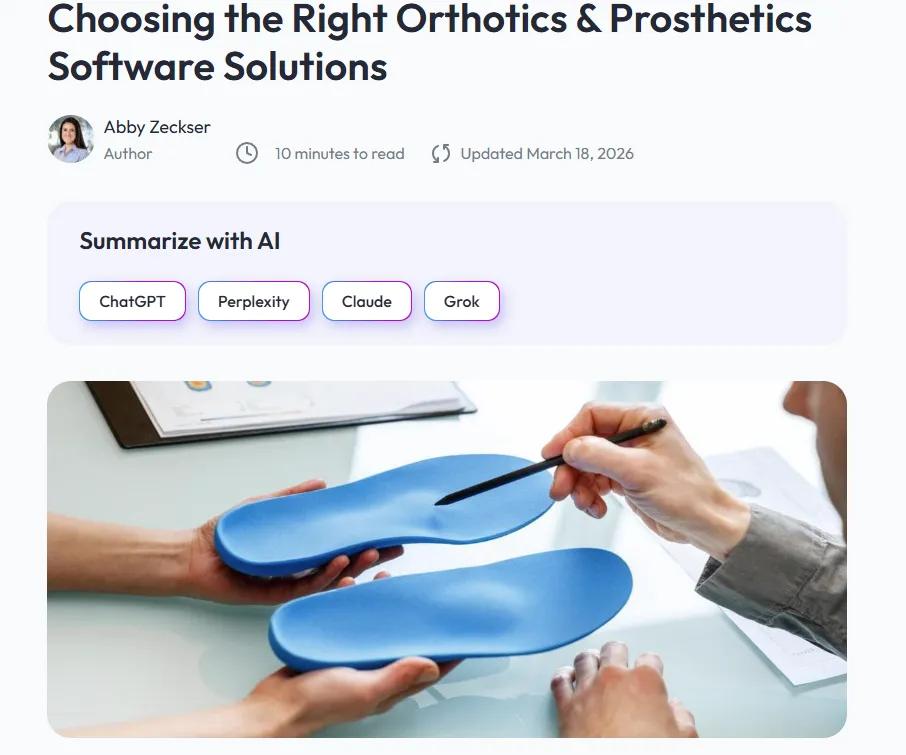
The orthotics and prosthetics (O&P) industry has witnessed remarkable technological evolution over the past decade. From traditional manual workflows to digitized patient management and advanced clinical tools, the way O&P practices operate has been transformed. At the heart of this transformation lies the growing adoption of dedicated orthotics & prosthetics software solutions. These tools are designed to streamline workflows, enhance patient care, and improve operational efficiency. Choosing the right solution for your practice, however, requires careful consideration of your unique needs, capabilities, and long-term objectives.
In this article, we’ll explore the factors to consider when selecting an O&P software solution, the features that can transform your practice, and the tangible benefits such solutions offer to both clinicians and patients.
Understanding the Importance of an Orthotics & Prosthetics Software Solution
Orthotics and prosthetics practices deal with complex patient needs, custom device fabrication, and strict regulatory compliance. Traditionally, many practices relied on manual processes such as paper charts, spreadsheets, and phone-based communication to manage patient records, appointments, and billing. While these methods worked in the past, they are increasingly inefficient and error-prone in today’s fast-paced healthcare environment.
An orthotics & prosthetics software solution addresses these challenges by centralizing all aspects of patient care, clinical documentation, inventory management, and billing in a single platform. This digital transformation offers:
Enhanced Patient Care – By maintaining accurate records and facilitating real-time communication, clinicians can deliver more personalized and timely care.
Operational Efficiency – Automating routine tasks like scheduling, reminders, and billing reduces administrative burden and allows staff to focus on patient interaction.
Regulatory Compliance – Built-in compliance tools help practices adhere to state and federal regulations, including HIPAA requirements and device documentation standards.
Data-Driven Decision-Making – Analytics and reporting features provide insights into patient outcomes, inventory utilization, and financial performance.
Understanding these benefits is crucial for practice owners who aim to integrate technology in a way that complements their clinical operations rather than disrupts them.
Key Features to Look for in O&P Software Solutions
Not all O&P software is created equal. The right solution should align with the workflow and specific needs of your practice. Below are key features to prioritize:
1. Patient Management
Effective patient management is the cornerstone of any O&P practice. Look for software that enables:
Digital patient records with detailed medical histories
Treatment plans and progress tracking
Appointment scheduling with automated reminders
Secure patient portals for communication and document sharing
A robust patient management module reduces errors and ensures that your clinical team has easy access to critical patient information at any time.
2. Clinical Documentation
Orthotics and prosthetics procedures often involve complex documentation, including measurements, device specifications, and treatment outcomes. Features to consider include:
Customizable templates for various devices and treatments
Integration with EMR/EHR systems for seamless data exchange
Ability to store images, 3D scans, and notes within the patient record
Automated report generation for insurance claims and regulatory audits
Accurate clinical documentation not only improves patient care but also minimizes reimbursement delays.
3. Device Design and Fabrication Support
Advanced O&P software may include design and fabrication modules that assist with:
CAD/CAM integration for custom device creation
Digital measurement tools for precise fittings
Inventory tracking for materials and components
Workflow management for production stages
This feature helps practices reduce errors, save time, and maintain consistent quality across devices.
4. Billing and Insurance Management
Billing in the O&P field can be complex due to varied payer requirements and medical coding standards. Software should support:
Automated insurance verification
CPT and HCPCS coding support
Electronic claim submission
Payment tracking and reporting
Efficient billing capabilities ensure faster reimbursement and reduce administrative overhead.
5. Compliance and Reporting
Compliance with healthcare regulations is non-negotiable. An ideal O&P software solution should offer:
HIPAA-compliant data storage
Audit trails and access logs
Customizable reporting for audits and inspections
Alerts for expiration dates, recalls, or compliance deadlines
These features protect your practice from legal risks and demonstrate accountability to patients and regulators.
6. Analytics and Insights
Data-driven practices outperform those relying solely on intuition. Key analytical capabilities include:
Patient outcome tracking
Device utilization and inventory metrics
Financial performance dashboards
Predictive analytics for demand forecasting
Insights derived from analytics empower practice managers to make informed operational and strategic decisions.
Factors to Consider Before Choosing an O&P Software Solution
Selecting the right software requires a careful evaluation of multiple factors. Consider the following:
1. Practice Size and Complexity
The size of your practice and the diversity of services you offer will determine the features you need. A small clinic may prioritize basic patient management and billing, while larger practices may require advanced CAD/CAM integration, multi-location support, and detailed reporting tools.
2. Integration with Existing Systems
Many practices already use EMR/EHR systems or accounting software. Ensure the new solution integrates seamlessly with your existing infrastructure to avoid duplicated efforts or data silos.
3. Usability and Training
User-friendly software reduces training time and increases adoption among staff. Evaluate the interface, accessibility, and availability of training resources before committing.
4. Vendor Support and Updates
Reliable technical support is critical. Choose vendors that offer prompt assistance, regular software updates, and a roadmap for future enhancements to keep your practice technologically current.
5. Cost and ROI
While cost is an important factor, it should be evaluated in terms of return on investment (ROI). A more expensive solution that significantly boosts efficiency and reduces errors may provide greater long-term value than a cheaper alternative.
6. Security and Compliance
Healthcare data security is paramount. Ensure the software provider has robust security measures, encryption protocols, and compliance certifications to protect sensitive patient information.
Benefits of Implementing an O&P Software Solution
Investing in a comprehensive orthotics & prosthetics software solution brings tangible benefits that extend across clinical, operational, and financial domains.
1. Improved Patient Outcomes
Software solutions enable clinicians to make data-driven decisions, track patient progress, and adjust treatment plans in real-time. This personalized approach enhances patient satisfaction and treatment effectiveness.
2. Reduced Administrative Burden
Automating repetitive tasks such as appointment scheduling, billing, and report generation frees up staff to focus on patient interaction and clinical care.
3. Faster Reimbursement Cycles
Integrated billing and insurance verification features streamline claim submission and reduce the risk of rejected claims, ensuring faster payment cycles for the practice.
4. Enhanced Collaboration
Cloud-based O&P software allows multiple team members, locations, or external specialists to access patient records simultaneously, facilitating collaboration and communication.
5. Data-Driven Decisions
Analytics and reporting provide actionable insights on patient outcomes, device utilization, and financial performance. Practices can use this data to improve services, optimize inventory, and make strategic business decisions.
6. Regulatory Compliance
Automated compliance tools reduce the risk of errors and ensure that your practice meets state and federal regulations. This reduces liability and positions your practice as a trusted provider in the O&P industry.
Steps to Successfully Implement an O&P Software Solution
Introducing new technology into a clinical environment requires careful planning. Follow these steps for a smooth implementation:
1. Conduct a Needs Assessment
Evaluate your current workflow, identify pain points, and define the objectives you want to achieve with the software. Include input from clinicians, administrative staff, and IT personnel.
2. Research and Shortlist Vendors
Compare different software solutions based on features, integration capabilities, usability, cost, and support. Request demos and trial periods to assess how the software fits your practice.
3. Plan the Implementation
Develop a timeline for deployment, data migration, staff training, and testing. Ensure that all stakeholders understand their roles in the process.
4. Train Staff Thoroughly
Invest in comprehensive training to ensure staff are comfortable using the software. Provide ongoing support to address questions or issues as they arise.
5. Monitor and Optimize
After implementation, continuously monitor performance, gather feedback from staff, and make necessary adjustments. Regularly update the system to leverage new features and enhancements.
Future Trends in O&P Software
The orthotics and prosthetics industry is evolving rapidly, and software solutions are keeping pace with innovations such as:
3D Scanning and Printing Integration – Streamlining the design and fabrication of custom devices.
Telehealth Capabilities – Enabling remote consultations and follow-ups.
Artificial Intelligence (AI) and Machine Learning – Providing predictive analytics for patient outcomes and inventory management.
Mobile Accessibility – Allowing clinicians to access patient records, document treatments, and communicate with patients on the go.
Adopting a future-ready software solution ensures your practice remains competitive and continues to deliver high-quality patient care.
Conclusion
Selecting the right orthotics & prosthetics software solution is a critical decision that can profoundly impact the efficiency, compliance, and patient care capabilities of your practice. By evaluating your practice’s needs, prioritizing essential features, considering vendor reliability, and planning a careful implementation, you can harness the full potential of technology in orthotics and prosthetics care.
A well-chosen software solution not only streamlines day-to-day operations but also empowers clinicians to deliver personalized, high-quality care, improves financial performance, and positions your practice for growth in an increasingly digital healthcare landscape. As the O&P industry continues to evolve, practices that embrace technology strategically will be best equipped to meet the demands of both patients and regulators in the years to come.